by Cheryl Hadland | Apr 23, 2021 | Economic Sustainability, Environmental Sustainability, Research
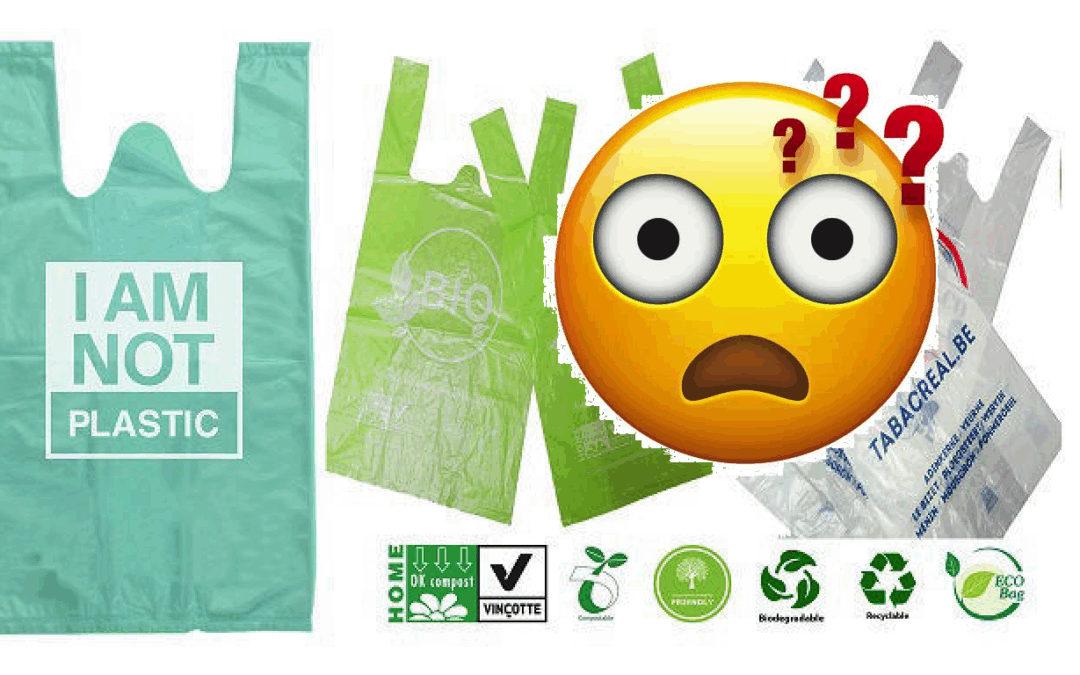
Plastics that biodegrade can be made from fossil fuel-based materials, but what is the difference between compostable and biodegradable? What happens to biodegradable and compostable plastics when they are littered? Are there clear labels and signs to differentiate...
by Charli Henley-Carter | Apr 23, 2021 | Environmental Sustainability
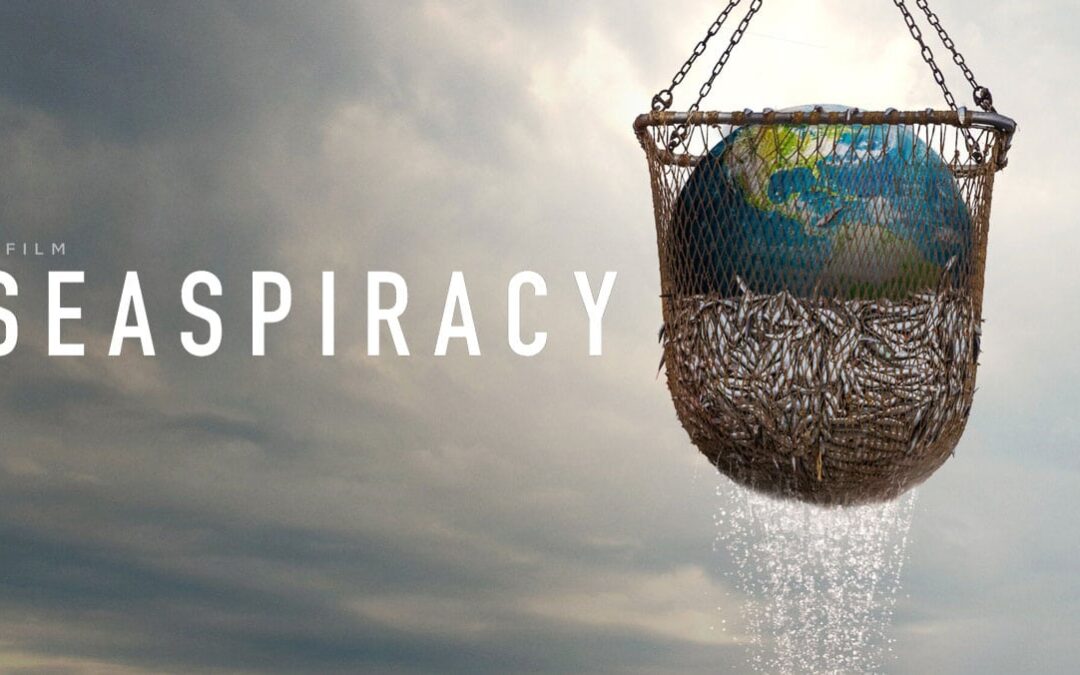
Netflix released a new film this month that has forced those who watch it to reflect on what we can do to save our oceans. Bearing in mind that if we continue to reduce fish stock as we are, (e.g. tuna now down to 3% from 1970s level) there will be no commercial...
by Charli Henley-Carter | Mar 25, 2021 | Environmental Sustainability, Resources
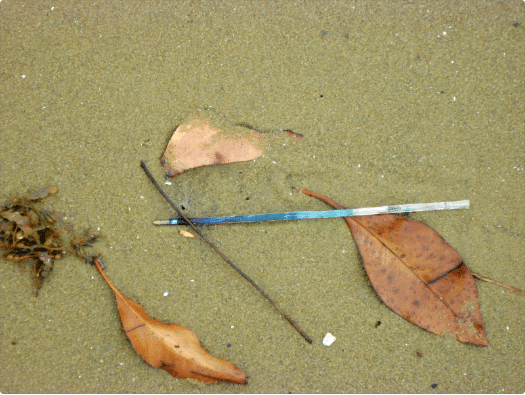
Have a think about how many pens you have at home, in your bag, your pockets? 10? 20? 50? Multiply this number by billions of people, and that’s a lot of pens being used, lost or thrown away – these runaway pens pollute our streams, oceans, verges. Now consider...
by Cheryl Hadland | Feb 22, 2021 | Environmental Sustainability
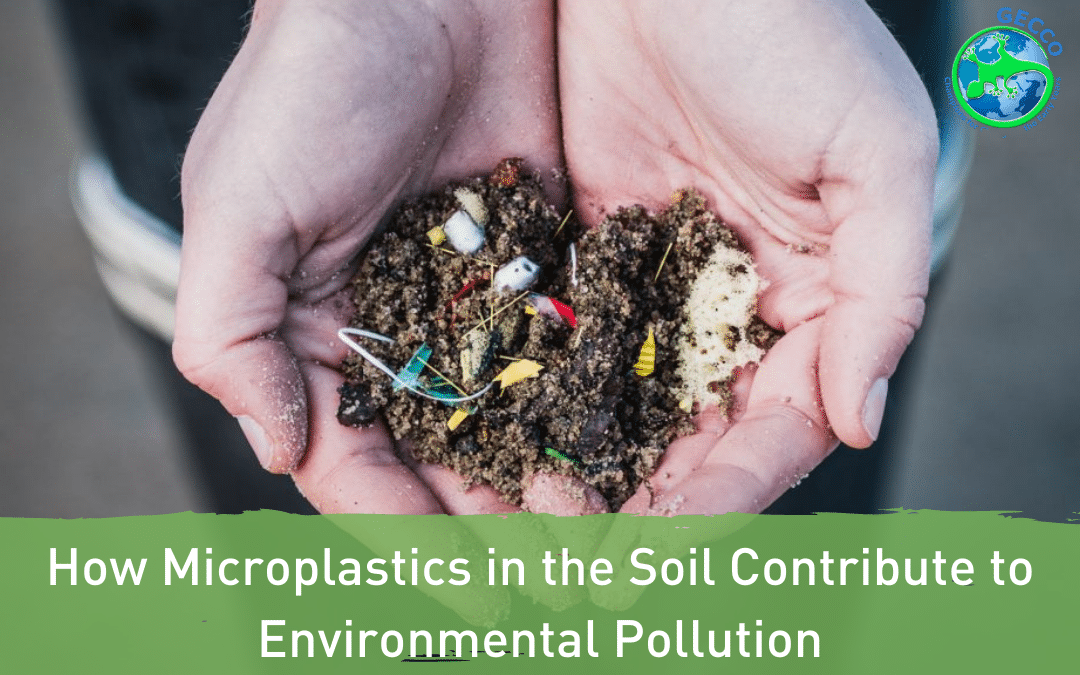
An article from ‘Northern Western Institute for Sustainability and Energy’ spoke about the natural world impacts of microplastics in soil. The article mentioned that plastic is a major and persistent contributor to natural world pollution and the...

by Cheryl Hadland | Feb 17, 2021 | Curriculum Practice, Environmental Sustainability
It is now more important than ever to be natural world aware. An article from ‘Northern Western Institute for Sustainability and Energy’ spoke about the health impacts of plastic pollution. The article mentioned that the world is covered in plastics....
by Cheryl Hadland | Jan 28, 2021 | Curriculum Practice, Environmental Sustainability, Sustainable Food
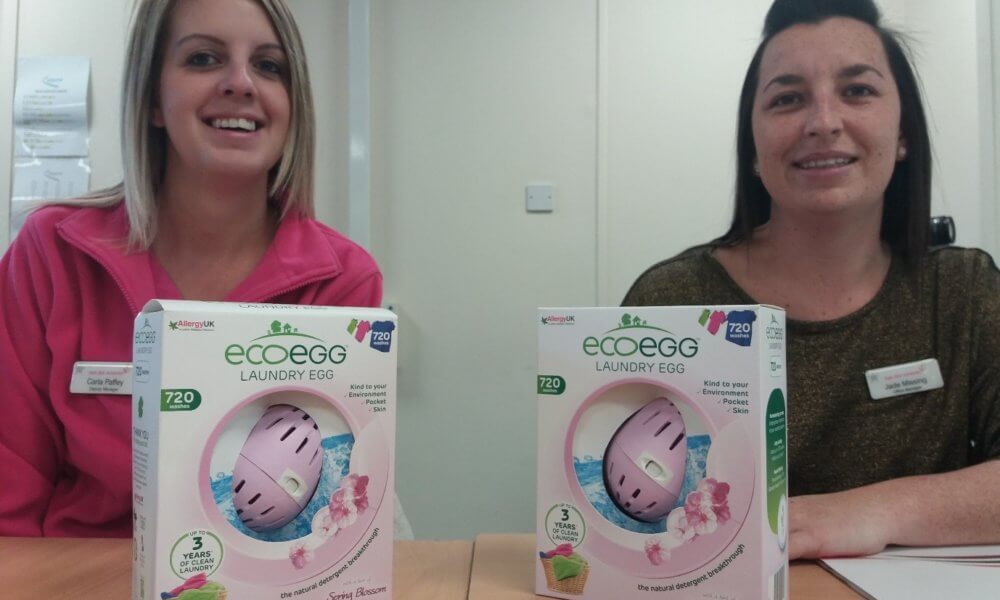
Tops Day Nurseries has introduced Eco Eggs to all their settings… Tops believe this is a sound business decision, because at 0.027 per wash instead of .15 (Fairy Non-bio), .19 (Persil non-bio) and Organic .51, they will be spending only a quarter of what they...