
by Charli Henley-Carter | May 10, 2022 | Curriculum Practice, Environmental Sustainability
Water is an essential part of our existence. Most of the things we do daily involves using it. Which therefore makes it a valuable resource to have in abundance and usable condition. Like any other natural resource, it needs to be renewed. We have built hydrologic...

by Charli Henley-Carter | Feb 18, 2022 | Curriculum Practice, Environmental Sustainability, Research
Viruses have been existing in our world in numerous forms, from harmless ones to the most severe. Immunisation or vaccinations have kept them at bay until recent occurrences. Vaccinations will forever be a topical subject because diseases have been plaguing the planet...
by Cheryl Hadland | Apr 28, 2021 | Advocacy For Young Children, Curriculum Practice, Environmental Sustainability
Eco-Schools is a global programme engaging millions of children across 64 different countries, making it the largest natural world schools programme in the world. The programme provides a framework for learning and action around nine topics – biodiversity, energy,...
by Cheryl Hadland | Mar 29, 2021 | Curriculum Practice, Economic Sustainability, Sustainable Food
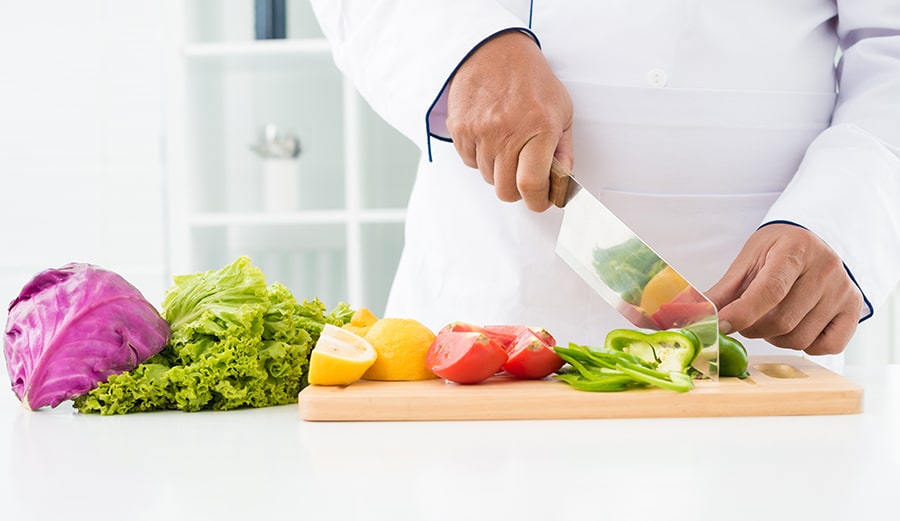
A healthy, balanced diet and regular physical activity are essential for children’s health and well-being. With that said Tops Day Nurseries have designed a balanced menu to support growth and development using the Children’s Food Trust recommendations. The menus at...

by Cheryl Hadland | Feb 17, 2021 | Curriculum Practice, Environmental Sustainability
It is now more important than ever to be natural world aware. An article from ‘Northern Western Institute for Sustainability and Energy’ spoke about the health impacts of plastic pollution. The article mentioned that the world is covered in plastics....
by Cheryl Hadland | Jan 28, 2021 | Curriculum Practice, Environmental Sustainability, Sustainable Food
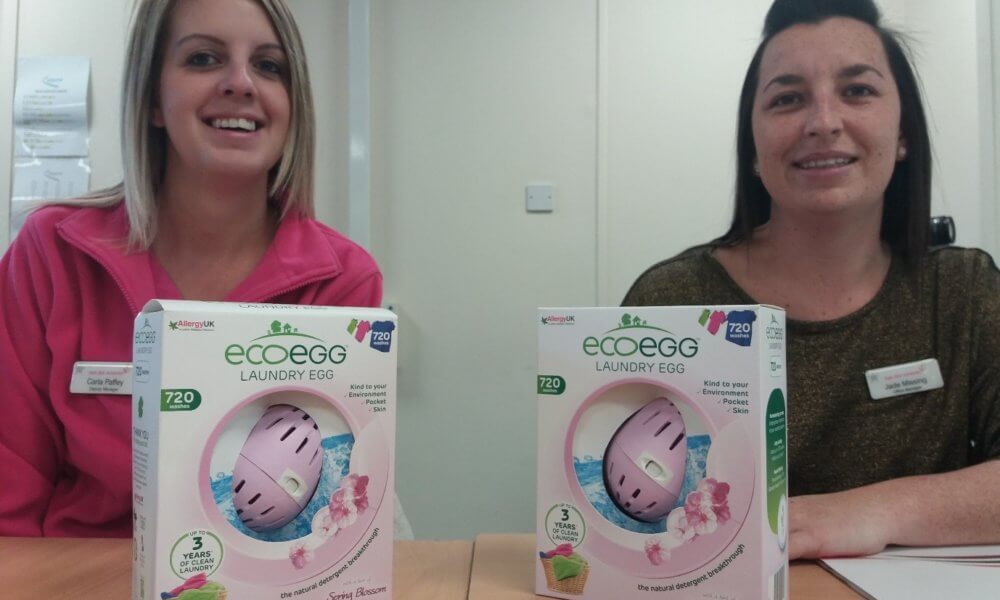
Tops Day Nurseries has introduced Eco Eggs to all their settings… Tops believe this is a sound business decision, because at 0.027 per wash instead of .15 (Fairy Non-bio), .19 (Persil non-bio) and Organic .51, they will be spending only a quarter of what they...